
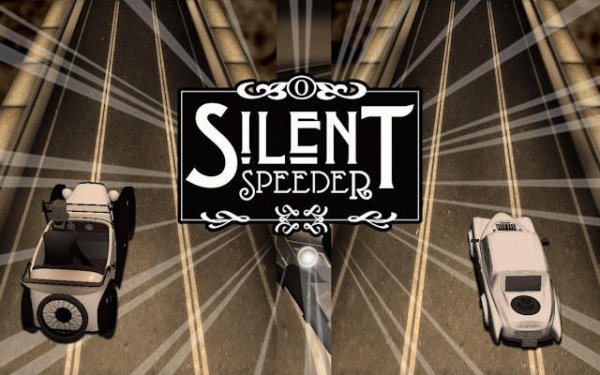
Visual Style and Atmosphere
The game adopts a monochrome look reminiscent of early motion pictures, with grainy textures and soft lighting that create a nostalgic feel. This aesthetic choice sets it apart from modern racing titles and gives each run a distinct personality. The road ahead is lined with period-appropriate details, from vintage billboards to simple building outlines, all rendered in a muted palette that keeps the focus on the action.
Steering and Boost Mechanics
Players control their vehicle by tilting their device left or right, which moves the car across three lanes. The tilt sensitivity is calibrated to allow quick adjustments without feeling jerky. A tap-and-hold gesture activates a temporary speed increase, useful for squeezing through tight gaps or overtaking slower traffic. Managing this boost wisely is essential because it recharges over time and can mean the difference between a short trip and a long run.
Traffic Patterns and Difficulty Curve
Oncoming vehicles appear in gradually more complex formations. Early stages feature widely spaced cars that are easy to avoid, but as the distance traveled increases, clusters become tighter and speeds rise. The game does not rely on random placement; instead, it uses preset patterns that repeat, allowing players to learn and anticipate. This design rewards repeated play and pattern recognition, making each attempt feel like a puzzle to solve.
Session Structure and Replay Value
There are no levels or checkpoints. Each game begins from the start, and the only measure of progress is the distance covered. This straightforward structure encourages short, focused sessions. Because the controls are simple and the visual theme is distinctive, players often find themselves returning for one more try after a collision. The lack of complex menus or tutorials means anyone can start playing within seconds.
Sound Design and Feedback
The audio complements the silent-film theme with minimal sound effects. Instead of engine roars or crash noises, the game uses subtle tones for boosts and a gentle chime when passing a car. This restrained approach keeps the experience calm and prevents sensory overload. The absence of loud music or constant alerts helps maintain concentration, which is especially helpful during longer sessions.



Comments
0 comments