
Core Cooperative Mechanics
This game is built around the idea that two heads are better than one. Each player controls a character with unique physical traits. One character can jump to higher ledges, while the other can squeeze into tight spaces. Progress through each area requires both players to use these abilities in sequence. For example, one character might need to reach a switch that opens a door for the other. This design ensures that neither player can simply rush ahead. Constant communication is necessary to decide who moves where and when. The puzzles are structured so that each character has a moment to shine, creating a balanced experience where both contributions feel essential.
Level Design and Puzzle Variety
The game presents a series of chambers and corridors inspired by ancient Mesoamerican architecture. Each level introduces a new type of puzzle, such as matching symbols, navigating mazes, or activating pressure plates in a specific order. Some puzzles require precise timing, where both players must perform actions simultaneously. Others focus on observation, asking players to find hidden clues in the environment. The difficulty gradually increases, but the game provides gentle hints if a team gets stuck. This approach keeps the experience accessible for younger players while still offering satisfying challenges for adults. The maze sections are particularly notable, as they require both characters to take different paths and meet at a designated point.
Visual and Narrative Atmosphere
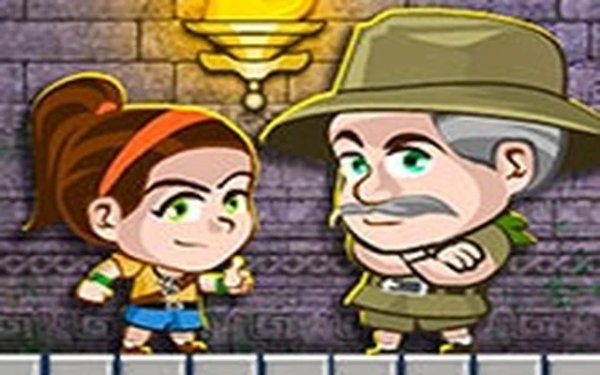
The setting draws from real archaeological sites, with stone textures, hieroglyphic carvings, and torch-lit passages. The story follows a parent and child who discover an ancient key and decide to explore the ruins together. This narrative frame adds purpose to the puzzles, as each solved chamber reveals more about the civilization that built the temple. The art style is colorful and cartoon-like, avoiding any scary or intense imagery. Background music uses soft percussion and flute melodies to create a sense of mystery without tension. The overall tone is one of curiosity and discovery, making it suitable for players of all ages.
Family-Friendly Design Choices
Several design decisions make this game particularly welcoming for families. The controls are limited to a few keys, so even a young child can learn them quickly. There is no time limit or penalty for failure, encouraging experimentation. If a puzzle proves too difficult, the game offers optional hints that guide without giving away the full solution. The cooperative nature means that a more experienced player can help a beginner without taking over completely. The game also avoids any competitive elements, so there is no winner or loser. This creates a relaxed atmosphere where the goal is simply to enjoy the process of solving puzzles together.
Progression and Replay Value
As players advance, they unlock new areas of the temple, each with its own visual theme and puzzle style. The game tracks which puzzles have been completed, allowing teams to revisit earlier levels if they wish. While the main path is linear, some chambers contain optional puzzles that reward careful exploration. These optional sections often require more creative thinking and can provide extra satisfaction for teams that want a deeper challenge. The game does not feature a scoring system or leaderboards, keeping the focus on the shared experience. This structure encourages families to play through the entire adventure at their own pace, savoring each discovery.
















Comments
0 comments