
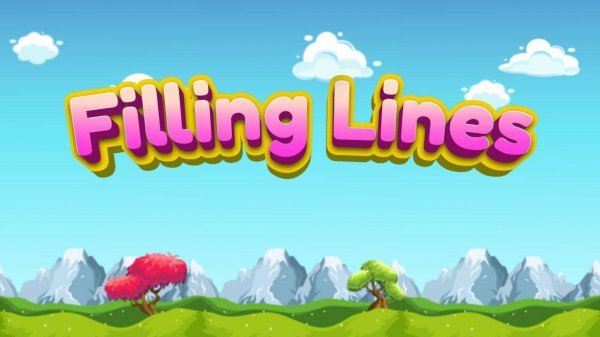
Core Puzzle Logic
At its heart, this game asks players to connect two identical symbols on a board using a single continuous line. The twist is that lines cannot cross each other, and every symbol must be paired to complete the puzzle. This simple rule creates a web of dependencies, where one connection can block several others. Players must think several steps ahead, much like in a game of chess or a complex maze. The grid starts small, with only a few symbols, but gradually expands, introducing more pairs and tighter spaces. Each puzzle feels like a self-contained riddle, with a solution that emerges only after careful consideration of all possible paths.
Strategic Planning
Success depends on identifying which pairs to connect first. Some symbols sit near the edges of the grid, with limited routes to their match. These become priority targets, as delaying their connection might leave them stranded. Other pairs have multiple possible paths, offering flexibility. Players learn to scan the entire board before making their first move, mentally mapping out potential routes. This process trains the brain to evaluate options and anticipate consequences, a skill useful beyond the game. The lack of a timer means players can take as long as needed, making it a stress-free environment for developing strategic thinking.
Visual and Audio Atmosphere
The game presents a clean, uncluttered interface with bright, friendly colors. Symbols such as stars, circles, and squares are clearly distinct, reducing visual confusion. The background remains neutral, helping the player focus on the puzzle. Sound effects are minimal and pleasant, providing subtle feedback when a connection is made or a puzzle is solved. This design choice keeps the experience calm and meditative, ideal for unwinding after a busy day. The overall aesthetic is cheerful without being distracting, appealing to both children and adults.
Progression and Variety
As players advance, the puzzles introduce new symbol shapes and larger grid sizes. Some levels may include obstacles or blocked cells that further complicate pathfinding. The difficulty curve is gentle, allowing newcomers to build confidence before facing more intricate arrangements. There are no scores, timers, or competitive elements, so each puzzle can be enjoyed at a personal pace. This structure makes the game suitable for short sessions during a break or longer periods of focused play. The variety ensures that the experience remains fresh, with each level presenting a unique configuration to solve.
Accessibility and Family Appeal
The controls are straightforward: tap or click a symbol, then drag to its match. This intuitive interaction means even young children or those less familiar with games can start playing immediately. The game does not require reading skills, as all instructions are visual. It works well on both touchscreens and desktop computers, adapting to different devices. Because there is no violence, time pressure, or complex rules, it is a safe choice for family game time. Parents and children can solve puzzles together, discussing strategies and celebrating each completed level.


Comments
0 comments