
Observation Mechanics
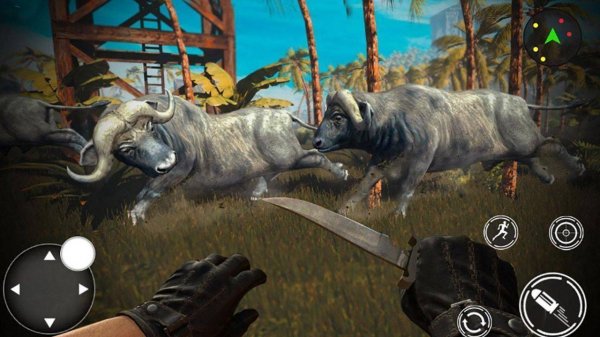
Players move through open landscapes using simple controls to scan for wildlife. A scope tool helps identify distant animals, requiring careful timing and steady aim. Each session rewards patience over speed, as creatures appear based on natural patterns rather than scripted triggers. The system tracks accuracy, encouraging repeated attempts to refine technique.
Environment Design
Two primary settings shape the experience: wide grassy plains and elevated mountain zones. Each area presents distinct lighting conditions and terrain features that affect visibility. Morning and evening cycles may alter animal behavior, adding variety without complex mechanics. The visual style emphasizes realism without graphic detail, keeping the tone light and educational.
Progression Structure
Missions follow a clear path, starting with common species in open areas before introducing rarer animals in harder-to-reach spots. Difficulty increases through environmental factors like distance and cover rather than time pressure. This design suits both newcomers and those seeking a relaxed challenge. Performance metrics allow players to track their growth across sessions.
Family-Friendly Design
No violent or intense content appears anywhere in the game. The focus stays on observation and discovery, making it suitable for younger players and classroom use. Controls are intuitive, with on-screen prompts guiding each step. The calm atmosphere supports short play sessions or longer exploratory outings.
Comments
0 comments